The British Museum is the world's oldest museum and was founded in 1753. The collection was first started by Hans Sloane, the man responsible for the initiation of the Chelsea Physic Garden. Sloane's collection had soon expanded massively and needed permanent housing.
In 1847 Robert Smirke designed the colonnaded neo-classical building that became the site of the British Museum.
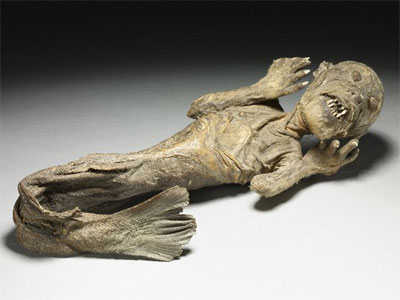
The British Museum has exhibits spanning the last two million years of history.
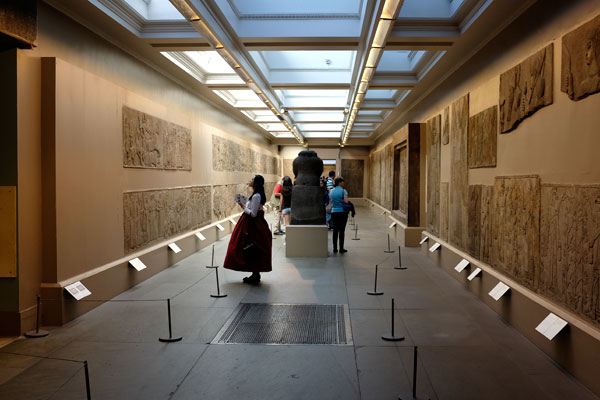
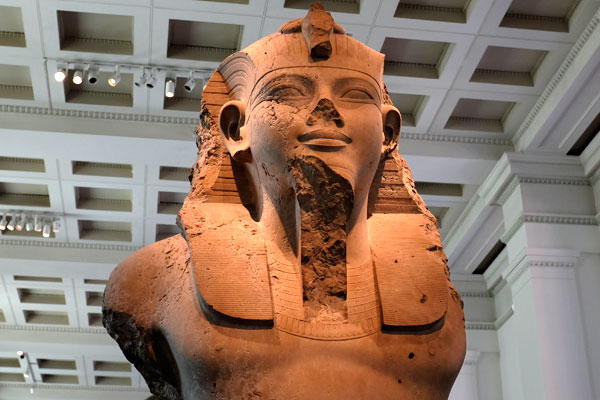
The interior of the British Museum spans two and a half miles and features more than 60 free to view galleries. Major exhibits include treasures from Egypt, Rome and Greece. A vast collection of Oriental art from Chinese, Indian and Islamic sources. British historical artefacts range from prehistoric examples right through to present day.
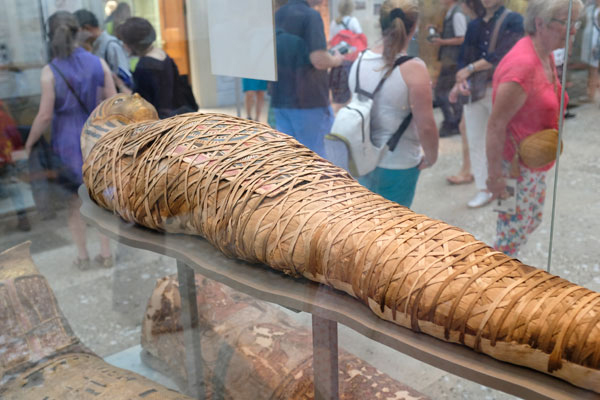
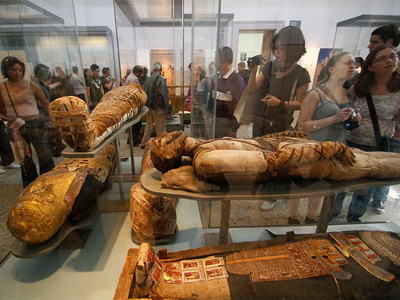
There has been a recent return of the Ethnography Collections from the Museum of Mankind. Some of the museums most precious exhibits include the rosetta stone, Egyptian mummies and Mildenhall treasures.
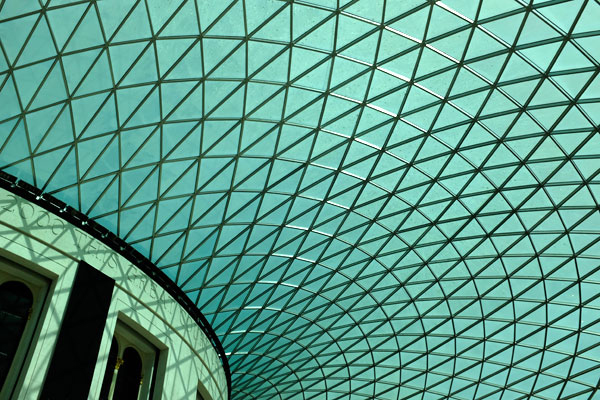
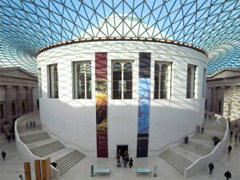
In 1997 the British Library was opened in a purpose built building in St Pancras, and all the books removed from the British Museum Reading Room to be placed there. The opportunity was used to transform the space around the reading room, and London’s first glass covered square - designed by Sir Norman Foster and named the ‘Great Court’ was constructed. At the centre of the Great Court is the magnificent Round Reading Room, now restored, where Karl Marx and George Bernhard Shaw studied. The museum is worth visiting even only for these two design masterpieces.
The British Museum is the most visited attraction in London and admission is free, although expect the usual security screening and bag restrictions.