In the early nineteenth century a crisis hit London; there were too few sites in which to bury those who died. Parliament authorised the creation of seven cemeteries in and around the city. Highgate Cemetery was opened in 1839. This main cemetery became known as the West cemetery after the creation of the East cemetery in 1854.
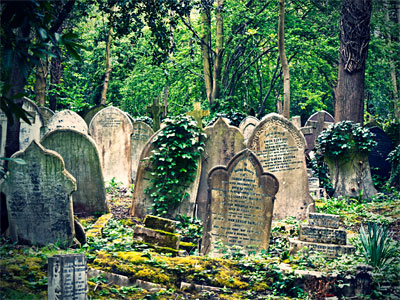
The West cemetery was closed in 1975 after it was no longer financially viable, whilst the newer East cemetery continued. Sadly many of the graves and memorials became overgrown and started to fall into disrepair. A group formed called the Friends of Highgate Cemetery to tackle the problem. Thanks to English Heritage and heavy campaigning the group was made solely responsible for the upkeep of Highgate Cemetery.
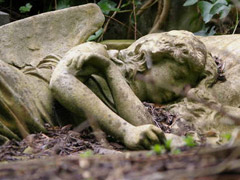
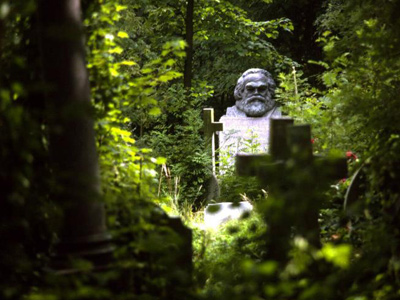
The site is now the kempt and dignified resting place it was intended to be. Celebrated artists and sculptors created individual sepulchres; Gilbert Scott used the mausoleum of Greek king Mausolus as the influence for the tomb of Julius Beer. Edward Jones created a piece called ‘Religion’; a seven foot marble female figure for the wife of Reverend Vaughn. The inventor of cinematography, William Friese-Green died without any money, but artist Lutyens paid tribute to him by creating a monument at Highgate, and of course there is Karl Marx himself (in the new part) his own grave almost ironically, so much grander than those of his followers who wanted to be buried near to him.
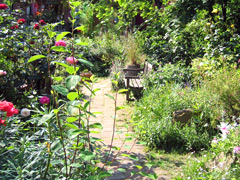
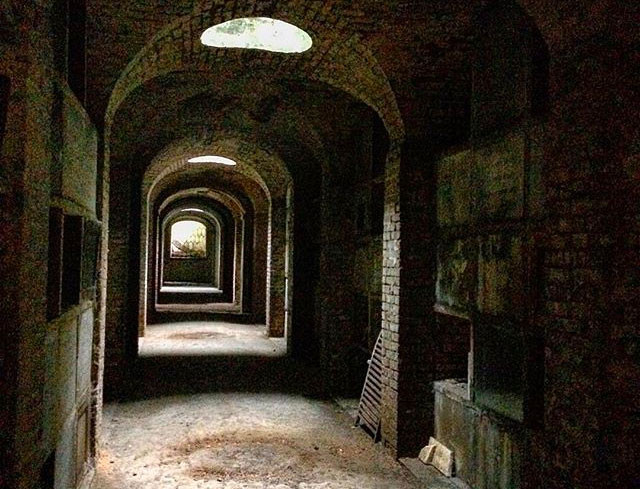
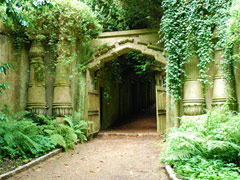
Though there is a small charge to get into both cemetaries the old one in particular is one of the most amazing sites you will visit. As visitor numbers are so tightly controlled, there is an incredibly peaceful and beautiful atmosphere as you wander the small paths through the ancient trees and woodland, amongst sprawling ivy. The guides that take you around have wonderful stories and anecdotes to tell, not least when you come across the aztec features in the centre. This really is worth a visit.