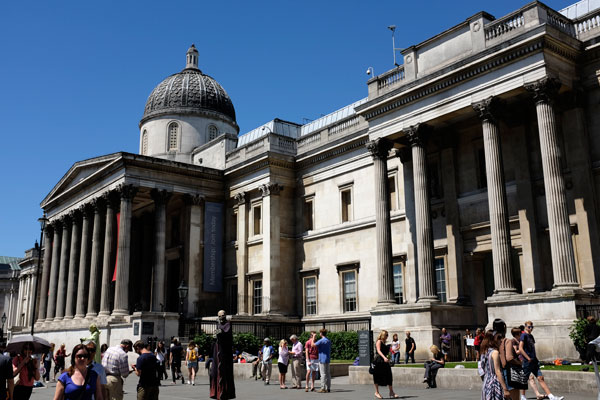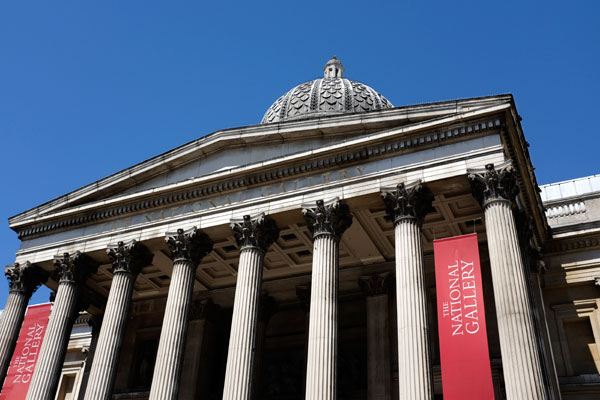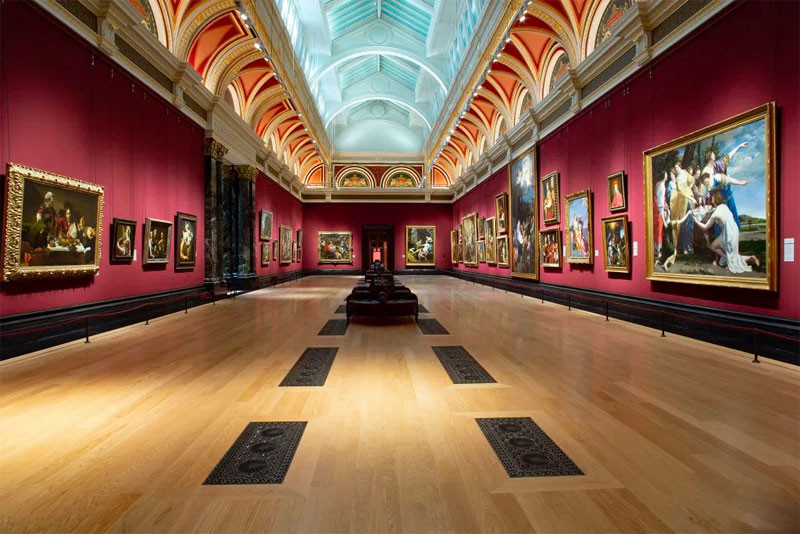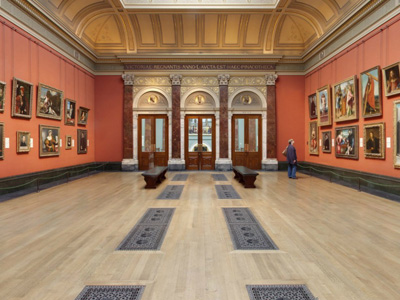
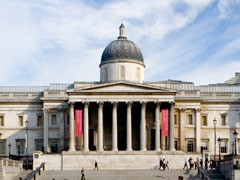
The inception of The National Gallery was in actuality in April 1824 when the House of Commons agreed to pay £57,000 for the picture collection of John Julius Angerstein, an eminent banker. It was planned that the collection of 38 pictured would form the heart of a new nation collection intended for the enjoyment of everybody. The Gallery was committed to a free entry policy, a centrally-placed and accessible site and long opening hours to ensure that its collection can be enjoyed by the widest public possible and not, as some galleries were, only accessible by the privileged of Britain’s higher classes. Although, at the time, there was much criticism of the inadequate housing for the ever-expanding collection which finally led to the decision to erect a purpose-built gallery. The, now well-known, site in Trafalgar Square was chosen, as it was deemed to be the crossroads of the city of London; for it was here where the art would be within reach of the rich people travelling from West London in their carriages, and on also on foot to the poor of the East End London.
The National Gallery continues to engage in an inclusive programme that caters for people who love art or want to be educated in everywhere.
Click here to see what is on today at the National Gallery.